Live website intelligence
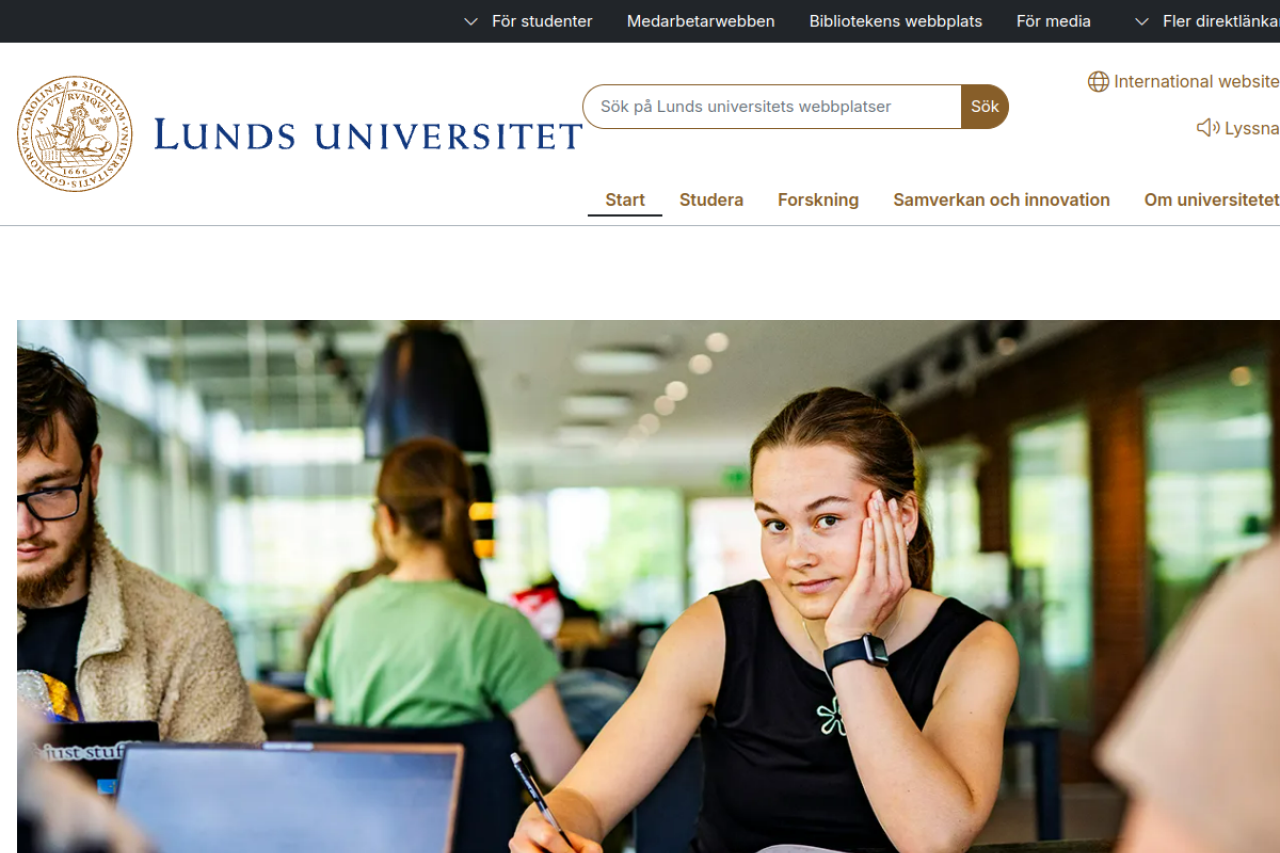
Start | Lunds universitet
Lunds universitet grundades 1666 och rankas återkommande som ett av världens 100 främsta lärosäten. Här finns cirka 46 000 studenter och mer än 8 000 medarbetare.
Last refresh
Updated 49d ago
Analyst read
Professional
5/100 trustEducationStale snapshot
Detected stack
Unknown
Quick read
How to read lu.se quickly
lu.se looks like education. Traffic estimates are limited, so use the trust and structure modules first. Current AI trust scoring is 5/100.
What to do next
- The stack appears to include Unknown.
- Open the Traffic tab if you need audience scale and geography before outreach.
- Open the Business tab if trust, monetization, or positioning is your first decision filter.
Provider Completeness
28/56 fields populated (50%)
Providers with missing fields
ads: 0/5publisher: 3/5files: 2/3traffic: 0/10whois: 0/6radar: 0/4
View field-level status
visual: 4/4
All expected fields present
meta: 3/3
All expected fields present
seo: 5/5
All expected fields present
dns: 4/4
All expected fields present
ads: 0/5
Missing: isAdvertiser, advertiserIds, advertiserNames, resultCount, transparencySignals
publisher: 3/5
Missing: directCount, resellerCount
files: 2/3
Missing: robotsSitemapUrls
traffic: 0/10
Missing: monthlyVisits, globalRank, countryRank, bounceRate, avgVisitDuration, pagesPerVisit, topCountry, topRegions, topKeywords, trafficSources
whois: 0/6
Missing: whois.registrar, whois.createdAt, whois.expiresAt, whois.nameservers, whois.status, domainAgeYears
radar: 0/4
Missing: globalRank, rankBucket, categories, sourceTimestamp
ai: 7/7
All expected fields present
Keep exploring
Keep exploring from this report
Good pSEO pages should not strand the visitor. These links keep the journey moving through adjacent directories and comparable live reports.
Need fresh data for another site? Trigger a fresh analysis or open the directory to continue browsing.